

Foam Control Agent
Textile Antifoam
 Textile Manufacturing: Why Antifoam Solutions Matter
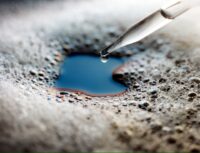
Foam generation is a persistent challenge in aqueous textile systems, particularly during high-shear and high-temperature processes. NexaG’s solutions are formulated to address these issues directly, providing robust performance where standard antifoams fail.
Antifoam Solutions for Superior Foam Control in Textile Processing
Under the NexaG, SINOSIL offers a comprehensive range of advanced textile antifoam solutions, specifically engineered to eliminate foam-related challenges in textile industry. Whether you require a silicone antifoam for textile finishing or a non-silicone defoamer for dyeing, NexaG provides exceptional stability and efficiency.
| Property | Specification | Benefits for Textile Mills |
|---|---|---|
| Chemical Basis | Modified Polysiloxane / Organic Polymer | Versatile for various fabric types |
| Ionic Nature | Non-ionic | High compatibility with other auxiliaries |
| pH Stability | 1.0 – 14.0 | Stable in both acidic and alkaline baths |
| Temperature Resistance | Up to 130°C | Ideal for high temperature jet dyeing |
| Shear Stability | Excellent (High-Shear Tested) | Prevents oil spots in high-speed machinery |
| Eco-Compliance | GOTS, ZDHC, OEKO-TEX | Suitable for export-oriented production |
Performance in Critical Textile Applications
| Application Area | Key Challenge | NexaG Solution Focus |
|---|---|---|
| Textile Dyeing | High temperatures, rapid circulation, and concentrated auxiliaries cause excessive foaming, leading to uneven dyeing (spots, streaks) and pump cavitation. | High temperature defoamer stability (up to 130°C), excellent dispersibility, and resistance to strong electrolytes and pH variations. |
| Textile Printing | Foaming in print pastes and coating formulations causes pinholes, surface defects, and poor color definition. | Specialized antifoaming agent for textile printing and coating, ensuring smooth, defect-free surfaces and consistent color application. |
| Pre-Treatment | High alkalinity and surfactants in scouring and bleaching baths create persistent foam that hinders washing and rinsing efficiency. | Rapid foam suppression in high-pH environments, improving liquor penetration and reducing water consumption. |
| Wastewater Treatment | Biological and chemical processes in effluent treatment plants generate foam that interferes with aeration and clarification. | Effective defoamer for textile wastewater treatment, ensuring regulatory compliance and smooth operation of environmental systems. |
Technical Excellence: Silicone and Non-Silicone Options
1. High-Efficiency Silicone Defoamers
2. Non-Silicone Alternatives
Commitment to Sustainability and Compliance
- GOTS Approved Textile Chemicals (Global Organic Textile Standard)
- Blue Sign
- ZDHC (Zero Discharge of Hazardous Chemicals)
- OEKO-TEX
Application Guidance
To achieve optimal results with NexaG textile defoamer solutions, we recommend:
-
Dilution: Can be pre-diluted with water (1:3 to 1:20 ratio) for easier dosing.
-
Dosage: Typically 0.1 – 0.5 g/L depending on the foaming intensity of the surfactants used.
-
Compatibility: Always perform a lab-scale compatibility test before bulk application in the dye bath.
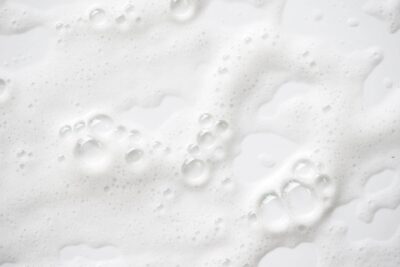 High Efficiency: Superior performance and durability at lower dosage, decrease the consumption of water and chemicals, such as bleach or dyes.
Rapid Knockdown: Quick foam suppression for efficient processes
Excellent Performance and Durability: Resistant to chemical additives, as well as temperature variations, thus ensuring stability throughout the process.
Enhanced Dispersibility: Works well even in hard water, preventing oily spots and agglomerates
Versatility: Compatible with various surfactant concentrates, ensuring free-rinsing and avoiding fabric spotting


